
Management reports are a system of internal documents specifically designed to provide detailed, timely, and relevant information to management and leadership at all levels. Fundamentally different from financial reports (which focus on external factors, adhere to accounting standards, and present historical data), management reports aim to analyze current performance, forecast future trends, and serve as a direct basis for all strategic and operational decisions. In today's volatile and fiercely competitive business environment, the ability to make quick, accurate, data-driven decisions is crucial. This is where management reports demonstrate their indispensable role.
What is a management report?
Management reporting is a core component of a Business Intelligence (BI) system. It provides leaders and management with accurate and up-to-date data on the financial performance and operational efficiency of a business over a specific period. Through this, businesses can monitor the progress toward strategic goals, build forecasts, and make informed decisions for future development.
- Purpose: To support planning, cost control, performance evaluation, and short-term or long-term decision-making.
- Characteristics: Includes both quantitative data (monetary, numerical) and qualitative data (cause analysis, market forecasting, risk assessment). Timeliness is a top priority, sometimes more important than absolute accuracy.
Understanding the nature and objectives of management reports is crucial, but to use them more effectively, businesses need to grasp the common types of management reports currently in use. Therefore, the next step is to classify management reports according to different criteria.
The key role in corporate governance.
A well-structured and accurate management report is the foundation that helps leaders steer their businesses in the right direction. The value of a management report is clearly demonstrated through the following key aspects:
- Providing a comprehensive picture of business operations: Management reports are designed to meet the information needs of managers, reflecting detailed operational performance such as revenue, inventory, cash flow, expenses, and other internal indicators. Simultaneously, the reports integrate market analysis, competitor evaluation, and environmental business factors. This provides managers, investors, and shareholders with a stronger basis for understanding risks and growth potential, thereby enhancing the transparency and credibility of the business.
- Optimizing data-driven decision-making: By understanding the operational status and trends of the business, leaders can easily identify strengths and weaknesses and make appropriate strategic decisions. Management reports become a tool to support the development of short-term and long-term plans, adjust business strategies, allocate resources effectively, establish KPIs, and identify areas for improvement to achieve goals.
- Strengthening internal communication and goal alignment: Management reports serve as a bridge of information between departments and the executive board. By accessing a unified set of data and metrics, departments can easily understand their roles in the overall strategy, thereby improving coordination, reducing conflict, and ensuring the business operates in a unified direction.
Given their crucial roles, management reports are not limited to a single format but have evolved into various types to meet different information needs, management levels, and decision-making situations. Therefore, businesses need to understand the following classifications of management reports to use them correctly and optimize management effectiveness.
Basic types of management reports in businesses
To help managers easily visualize and select the right type of report to serve each operational objective, the following content summarizes the most common types of management reports. The following table clearly presents the function, focus, and analytical components of each report type, helping businesses apply them more quickly and effectively.
| Report Type | Focus | Content |
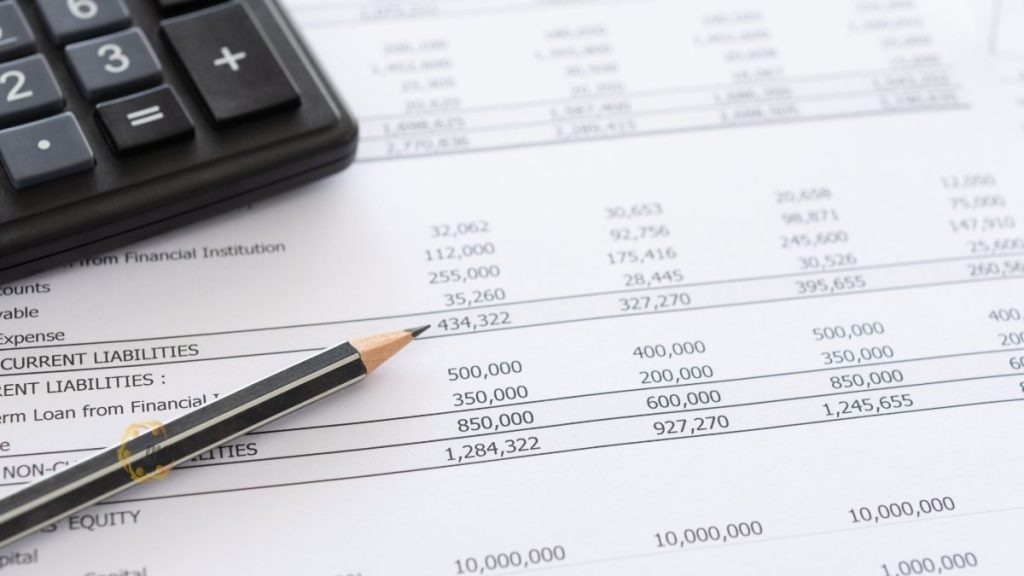
| Financial Management Report | Reflects the financial situation and business performance on a periodic basis. | Balance sheet (assets, liabilities, equity)
Results include revenue, expenses, and profit. |
| Sales Management Report | Evaluate business performance and sales activities. | Revenue and profit by product or service Customer trends and behavior Sales team performance and suggestions for improvement. |
| Marketing Management Report | Measuring marketing performance and profitability. | Advertising campaign results
Conversion rate and ROI by channel Effective content and brand strategy |
| Human Resources Management Report | Analysis of human resource quality and performance | Evaluate individual or departmental performance.
Employee turnover rate, employee satisfaction level Recruitment, training, and development situation. |
| Production Management Report | Control production operations and optimize processes. | Inventory and supply chain Productivity and product quality Machine efficiency, optimized production costs. |
| Strategic Management Report | Supporting leaders in making long-term decisions. | Tracking progress toward strategic goals. SWOT analysis, competitive position Major project progress and future direction. |
In general, each type of management report plays a distinct role, but all aim for the common goal of providing accurate and timely information for decision-making. Understanding the characteristics of each report helps businesses build an effective management system, ensuring that all levels of leadership always have sufficient data to manage and plan strategies.
What components and content does a management report include?
To understand how a management report is constructed and implemented within a business, two fundamental elements must be considered: presentation format and analytical content. Specifically, the following will help you grasp the standard structure of a professional management report.
Format of the Management Report
Depending on the target audience and the objectives to be conveyed, management reports can be presented in various forms, such as:
- Charts and graphs help to illustrate data visually, assisting viewers in quickly grasping trends.
Text and tables are used when in-depth analysis of indicators and detailed comparisons are needed. - Presenting directly during the meeting, combined with discussion, aims to clarify results, explain fluctuations, and agree on a course of action.
The most effective method is usually to prepare a report as an Excel file or a specialized report template exported from enterprise management software, accompanied by clear explanations. Through this, the reporter can present key indicators, the level of achievement of objectives, and suggestions for improvement in a coherent manner during meetings with management.
Contents of the Management Report
To help businesses easily visualize the essential components, the table below summarizes the complete content structure of a management report with a clear, coherent layout that is easy to apply in practice.
| Contents | Interpretation |
| Title page | Please specify the name of the report.
Release date Information of the person performing the task (full name/title) Name of the business or entity preparing the report |
| Summary of the Report | Briefly state the purpose and scope of the Report. Present the key conclusions or main points to note. |
| Introduce | Clarify the reasons for compiling the Report.
Provide context, background information, or the basis for preparing the Report. |
| Analysis and results | Provide detailed data accompanied by tables and illustrative charts.
Assess trends, compare markets and related factors. Explain the meaning of the data obtained. |
| Proposal and implementation plan | Present proposed solutions or strategies based on the analysis.
Identify potential risks and develop strategies to mitigate their impact. |
| Conclude | Summarize the main points analyzed.
Provide final key observations. |
| Appendix and reference documents | Please attach supporting documents, data tables, or detailed analyses.
List the sources of information and reference data. |
| Approve | A signature of confirmation from a manager or authorized department. |
In summary, these components help make management reports more comprehensive, logical, and practically valuable, supporting managers in making quicker and more accurate decisions.
The 6-step process for building a standard and scientific management report.
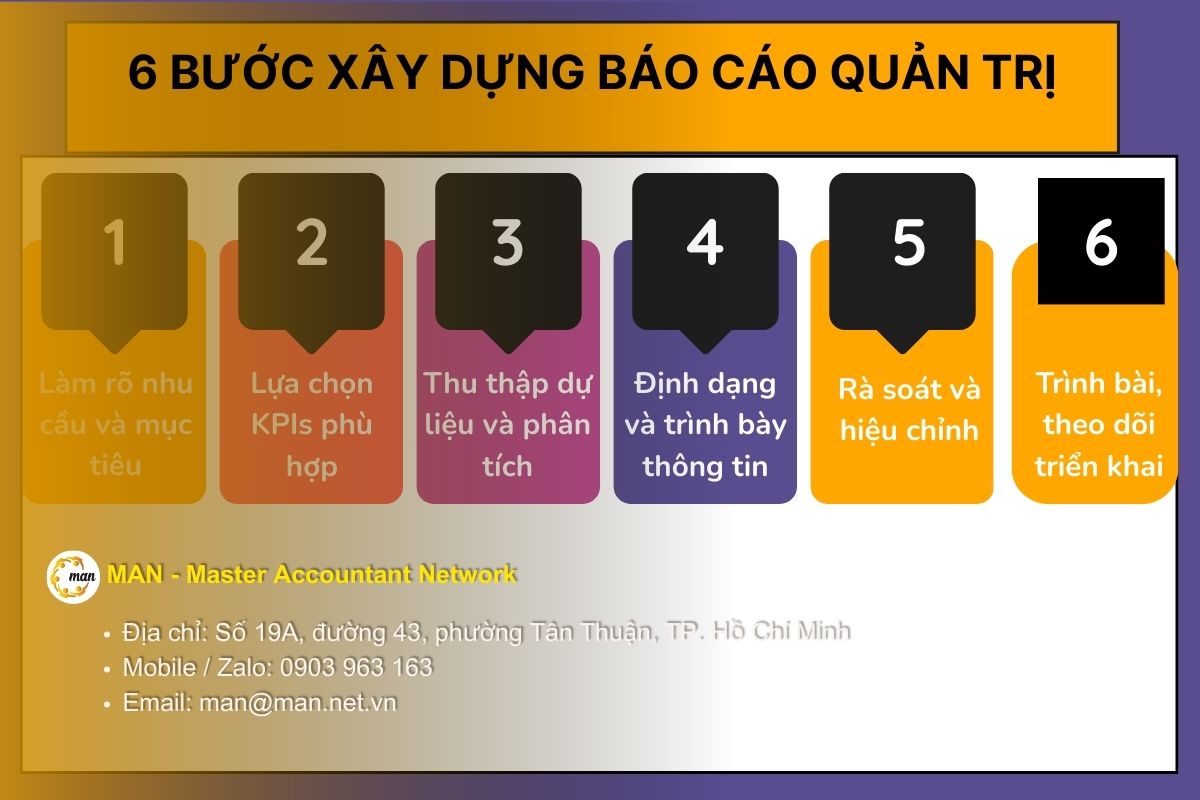
Building a management report typically requires gathering information from various departments and systems. A standard process usually includes the following six steps:
Step 1: Clarify the needs and goals of the report's users.
Before beginning data collection, it's essential to identify who will be using the report and for what purpose. Determine the timeframe, the type of information to be provided, and the report's crucial role (e.g., supporting strategic decisions, tracking progress, or evaluating performance). This shapes the depth of analysis, the language used, and the level of detail required (for example, financial reports demand greater accuracy and a more rigorous structure).
Step 2: Choose appropriate KPIs
Based on the defined objectives, select the most relevant key performance indicators (KPIs). KPIs must accurately reflect strategic goals and provide actionable information for management. Note that KPIs should be updated periodically to reflect changes in business strategy or market conditions. For example, sales reports might track revenue growth, cost of acquisition (CAC), and customer retention rates.
Step 3: Data collection, analysis, and recommendations
Synthesize data from internal sources (financial systems, CRM, operations, etc.) and ensure accuracy and consistency. Analysis should compare data with historical data or benchmarks to identify trends, anomalies, and root causes. Utilize models or analytical tools for forecasting when necessary. Based on the analysis, present strategic recommendations or operational adjustments (e.g., increase capacity if demand shows a steady upward trend).
Step 4: Choose the format and presentation of the information.
Choose a presentation style that allows readers to grasp the information quickly: tables for detailed data, trend charts for trends over time, or narratives for meaningful analysis. Combine charts, tables, and concise explanations to help readers easily understand the main points. Always include footnotes, assumptions, and data sources to ensure transparency.
Step 5: Review and revise before release.
Review the entire report to eliminate errors, verify the accuracy of the figures, and ensure logical presentation. Internal feedback from experts or leaders may be sought to refine the content before official release.
Step 6: Presentation, discussion, and implementation monitoring.
Choose the appropriate delivery method: email with attached files, online dashboard sharing, or a live presentation. For complex reports (such as financial reports), an interactive dashboard is recommended to directly illustrate metrics and easily answer questions from attendees. Conclude the presentation with a Q&A session to ensure all parties understand the data's meaning and recommendations.
Important considerations when preparing a Management Report.

A well-structured and accurate management report can be a crucial tool for businesses to improve operational efficiency and enhance business results. Some key factors to consider include:
- Define clear objectives: Before creating a report, clarify the main purpose, key questions, and ensure the report serves the specific needs of management.
- Ensuring data accuracy: Reports must be based on reliable information, including KPIs, statistics, trend analysis, and other essential insights to support decision-making.
- Scientific and visual presentation: Reports should be organized clearly, concisely, and be easy to follow. The use of charts, graphs, or tables makes the information more understandable and intuitive.
- Proposed feasible solutions: The recommendations in the report should be specific, highly practical, and aimed at addressing current problems or exploiting future opportunities.
- Encouraging interaction and discussion: Management reports not only provide information but also promote exchange between departments, helping to clarify issues and suggest next steps.
Distinguishing between Management Reports and Financial Reports
To clearly differentiate between these two important types of business reports, the table below compares Management Reports and Financial Reports based on key criteria such as definition, target audience, content, reporting period, presentation format, and data characteristics. This information helps managers understand the specific roles and applications of each type of report.
| Criteria | Management report | Financial reports |
| Definition and scope | These are comprehensive reports covering many aspects of a company's internal operations, serving the goals of strategic decision-making and operational control. | As a report focusing on the financial aspects, it is part of an overall governance system and reflects the financial health of the business. |
| Target users | Primarily intended for senior management and internal company managers. | Targeting external stakeholders such as investors, banks, regulatory bodies, and relevant partners. |
| Main content | The report covers operational performance, market trends, resource utilization, personnel efficiency, and future forecasts; it can be customized to meet specific management needs. | Includes standard financial data such as balance sheets, income statements, and cash flow statements; providing an overall picture of profitability and financial health. |
| Reporting period | Data can be generated based on management needs, possibly daily, weekly, monthly, or according to special events; prioritizing the most recent data updates. | This is done periodically as required by law, usually quarterly or annually. |
| Presentation format | Flexible and customizable to address specific management questions or analyses. | Standardization in format, compliance with accounting standards and legal principles. |
| Data characteristics | Combining historical data with forecasts and trend analysis supports future planning and decision-making. | The data is primarily based on actual events, reflecting a reliable and realistic financial situation. |
Overall, the comparison table above clarifies the fundamental differences between management reports and financial reports, thereby assisting managers in choosing the appropriate type of report to monitor internal performance and make effective strategic decisions.
Conclude
Management reporting is a crucial tool that helps managers gain a comprehensive understanding of operational performance, track trends, and make timely strategic decisions. Building a complete, clear, and tailored management reporting system will create a solid foundation for all development plans.
Start optimizing your Management Reporting today to transform data into smart and effective business decisions. Contact MAN – Master Accountant Network for detailed advice on comprehensive business management solutions.
Contact information MAN – Master Accountant Network
- Address: No. 19A, Street 43, Tan Thuan Ward, Ho Chi Minh City
- Mobile/Zalo: 0903 963 163 – 0903 428 622
- Email: man@man.net.vn
Content production by: Mr. Le Hoang Tuyen – Founder & CEO MAN – Master Accountant Network, Vietnamese CPA Auditor with over 30 years of experience in Accounting, Auditing and Financial Consulting.
Editorial Board: MAN – Master Accountant Network