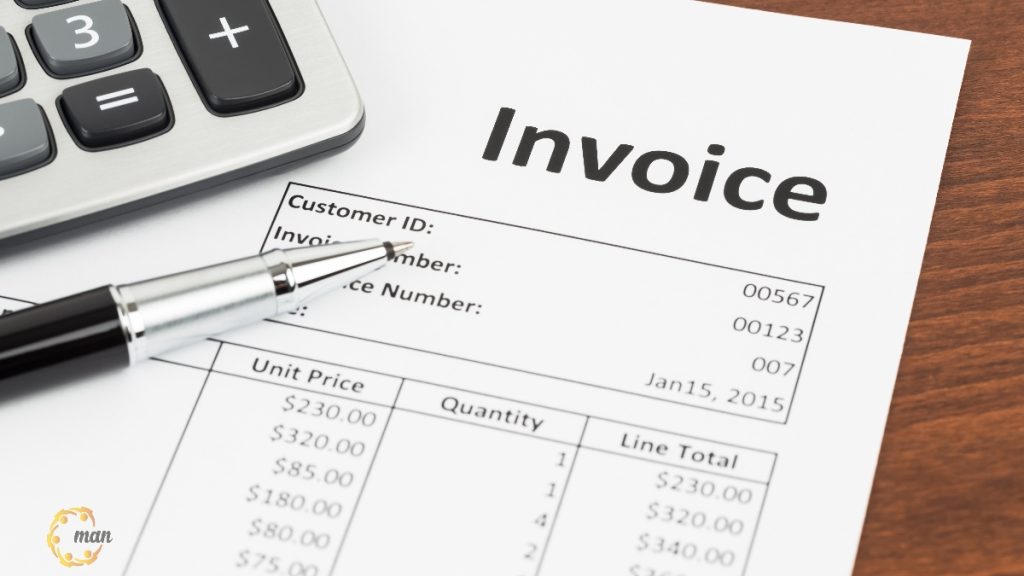
In the context of the tax sector accelerating digital transformation and applying artificial intelligence (AI) to management, the issuance of this document is crucial. Official Document 1902/CT-CDS This marked a significant turning point in preventing the behavior. Tax fraud involves using two parallel financial accounting systems.This is not just a regular reminder, but a stern warning from the Tax Department to businesses that are still maintaining the habit of using two sets of accounting records for the purpose of tax evasion.
The context behind the issuance of Official Document 1902/CT-CDS
The development of electronic invoices generated from cash registers and the interconnection of bank data has given tax authorities a comprehensive view of a business's cash flow. However, in reality, many businesses still intentionally set up internal accounting software to track actual revenue, while only reporting a portion of this figure to the tax system.
Official document 1902/CT-CDS was officially issued on March 31, 2026, and officially came into effect from that date. This document aims to eradicate fraudulent practices, protect fairness in business, and combat revenue losses for the state budget. Specifically, the document clarifies that authorities have identified previously sophisticated tax evasion techniques and requires local tax offices to rigorously review data starting from the first quarter of 2026.
Key points of Official Letter 1902/CT-CDS

According to Official Letter 1902/CT-CDS, the Tax Department is focusing on clarifying the sophisticated fraudulent methods commonly used by businesses:
- Accounting software: Many businesses install software with features that hide data, erase transaction traces, or allow editing figures after invoices have been issued.
- Off-book revenue through personal accounts: Payments are requested to be transferred to the personal accounts of the business owner, relatives, or employees. These transactions are not recorded in the tax books but appear detailed in the internal records.
- Concealed data storage on external devices: Storing actual data on servers located overseas, undeclared cloud services, or even external hard drives and personal laptops to avoid seizure during inspections at headquarters.
Official document 1902/CT-CDS emphasizes that these signs can now be automatically identified through algorithms that reconcile discrepancies between the quantity of goods received into inventory (input) and invoices issued (output), combined with cash flow data from banks.
Why do businesses still risk using two accounting systems?
The core purpose of using two sets of books is to minimize the amount of tax payable by:
- Recording revenue lower than the actual amount (off-book).
- Inflating input costs through fictitious invoices or forged documents.
- Concealing actual profits to avoid corporate income tax and VAT.
However, with the issuance and implementation of Circular 1902/CT-CDS, the price to pay for this behavior has increased many times over. In addition to being subject to back taxes and late payment penalties (0.031 TP3T/day), businesses also face public shaming on the tax authority's portal, account freezing, and suspension of business operations.
Inter-agency coordination and criminal risk

The most noteworthy point in Official Document 1902/CT-CDS is the affirmation of close coordination between the Tax Authority, the State Bank of Vietnam, and the Police. In particular, to strengthen the prevention and suppression of fraud through technological solutions, the Tax Department has issued very strict requirements to software providers.
Specifically, Official Letter 1902/CT-CDS requests that organizations compile a list of all customers who have used the financial accounting software provided by their unit up to March 31, 2026. This list must be submitted to the Tax Department before April 8, 2026, according to the prescribed form. This means that the tax authorities will have a "cross-checking" list to review which software the business is using and whether the software's features comply with regulations.
From a legal perspective, the act of establishing two sets of accounting records as outlined in Official Letter 1902/CT-CDS is considered organized fraud, constituting the crime of tax evasion. Article 200 of the Penal CodeSoftware providers who intentionally implement illegal features will also be held jointly liable.
Solutions to help businesses comply with regulations.
To respond to the intensified inspections following the effective date of Circular 1902/CT-CDS, businesses should immediately take the following steps:
- Internal review: Review all cash flows on bank statements for all accounts related to business operations. Ensure all receipts are supported by valid invoices and documentation.
- Standardize the accounting system: Eliminate the maintenance of separate forms and ledgers. All accounting data must be centralized on a single system that is registered with the relevant authorities.
- Take advantage of the self-correction policy: If errors are discovered before an inspection decision is made, businesses should proactively submit supplementary declarations voluntarily to minimize the risk of having their case transferred to the investigative agency.
- Consult with a reputable consulting firm: To ensure transparency and legal safety, businesses should proactively seek advice. accounting servicesThis helps control risks from the accounting stage to the final settlement, avoiding errors that could lead to serious violations as stipulated in Official Letter 1902/CT-CDS.
Conclude
Circular 1902/CT-CDS serves as the final warning bell for opaque business practices. In the era of Big Data in the financial industry, any traces of fraud will sooner or later be discovered. Businesses need to recognize that compliance with tax laws is fundamental to sustainable development and avoiding unnecessary legal risks.
For any questions, support, or advice regarding Official Letter 1902/CT-CDS, please contact MAN – Master Accountant Network:
Contact information MAN – Master Accountant Network
- Address: No. 19A, Street 43, Tan Thuan Ward, Ho Chi Minh City
- Mobile/Zalo: 0903 963 163 – 0903 428 622
- Email: man@man.net.vn
Content production by: Mr. Le Hoang Tuyen – Founder & CEO MAN – Master Accountant Network, Vietnamese CPA Auditor with over 30 years of experience in Accounting, Auditing and Financial Consulting.