Businesses that sell goods to the domestic market are often unsure whether to issue value-added tax (VAT) invoices or sales invoices to comply with regulations. This is not an uncommon concern, as export processing enterprises have unique tax and invoicing mechanisms that are completely different from those of regular domestic businesses.
Issuing the wrong type of invoice not only wastes accountants' time adjusting and recreating documents, but also carries the risk of having expenses disallowed, taxes collected retrospectively, and administrative penalties imposed by the tax authorities. Therefore, a thorough understanding of the guidelines for using export processing zone invoices in accordance with current legal documents is a mandatory requirement for any accountant working in an export processing zone enterprise or in charge of export processing zone clients.
This article will systematize the entire guide to using invoices for export processing enterprises based on the latest legal grounds, including Decree 35/2022/ND-CP. Decree 252/2026/ND-CP, Decree 254/2026/ND-CP and Official document 3496/QNI-QLDN2 In 2026, this will help you apply the right principles right from your first transactions.
What is an export processing enterprise? Why is it important to understand the regulations regarding invoices?
Before delving into specific instructions on using invoices for export processing enterprises, accountants need to understand the legal nature of this type of business, as its unique operations will determine the types of invoices permitted.
The concept of manufacturing operations
According to Clause 20, Article 2 of Decree 35/2022/ND-CP, export processing activities are defined as activities specializing in the production of goods for export, providing services for the production of goods for export, and export activities. In other words, the nature of export processing enterprises is geared towards foreign markets, not the domestic market. This is why the invoicing and documentation regime applied to export processing enterprises has many differences compared to ordinary domestic production and trading enterprises.
Trade relations between export processing enterprises and the domestic market.
According to Clause 4, Article 26 of Decree 35/2022/ND-CP:
The exchange of goods between export processing enterprises and other areas within Vietnam (excluding free trade zones) is defined as an export-import relationship. This means that, in legal terms, when an export processing enterprise sells goods to a domestic enterprise, the transaction is considered equivalent to an export-import transaction, rather than simply a domestic sale.
However, the regulation also specifies an exception at point c, clause 4, Article 26:
Export processing enterprises are permitted to sell or liquidate used assets and other goods into the domestic market in accordance with investment laws. At the time of such sale or liquidation, export and import goods management policies do not apply, except in cases where goods are subject to management under specific conditions, standards, specialized inspections, or licensing requirements.
Export processing enterprises are permitted to sell goods to the domestic market.
This is the key point that gives rise to the need to understand the guidelines for using invoices for export processing enterprises. According to Clause 11, Article 26 of Decree 35/2022/ND-CP:
Export processing enterprises are permitted to sell goods to the domestic market. At the same time, goods imported from export processing enterprises and export processing zones into the domestic market are subject to taxes as stipulated by the law on export and import taxes.
Therefore, even if it is an export processing enterprise, established primarily for the production of export goods, the enterprise still has the right to sell goods domestically. And it is precisely from this activity that choosing the right type of invoice to issue to domestic customers becomes a crucial issue that accountants need to master.
Do export processing enterprises have to submit preliminary VAT tax declarations?
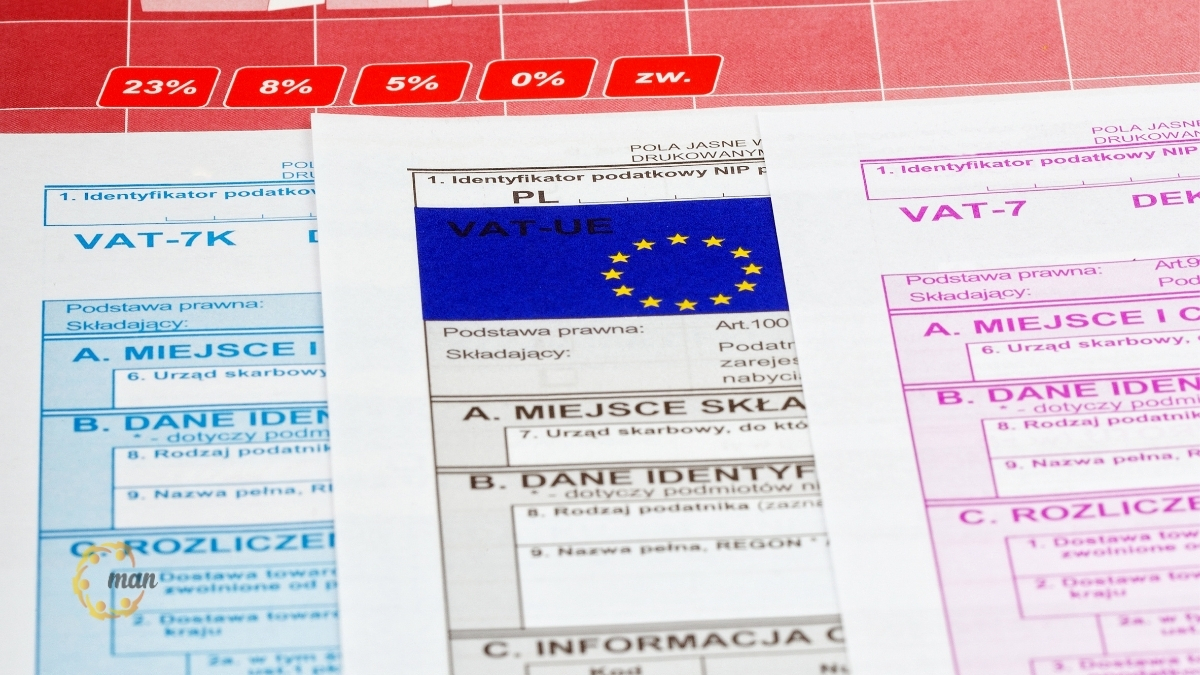
One of the important factors directly influencing the choice of invoice type is the obligation to declare VAT.
In the case of an export processing enterprise whose sole activity is export processing.
According to Clause 3, Article 11 of Decree 252/2026/ND-CP:
Export processing enterprises whose sole activity is export processing are not required to file value-added tax returns.
This regulation clearly demonstrates the "non-tariff" nature of purely export processing activities, because export processing enterprises, when focusing solely on producing goods for export, do not incur the obligation to declare VAT like regular domestic enterprises.
The implications for invoice selection.
The fact that export processing enterprises are not required to declare VAT (when their only activity is export processing) is a crucial basis for determining the appropriate type of invoice. This is because VAT invoices are inherently linked to the VAT deduction method. If an enterprise does not have the obligation to declare VAT using the deduction method, using VAT invoices is legally inappropriate. This is the premise leading to the core content of the guidelines for using invoices for export processing enterprises, which will be analyzed in detail in the following section.
Instructions for using export processing enterprise invoices when selling goods to the domestic market.

According to Clause 1, Article 4 of Decree 254/2026/ND-CP:
When selling goods or providing services, sellers must issue electronic invoices to buyers. This applies to cases where goods or services are used for promotions, advertising, samples, gifts, donations, exchanges, as payment in lieu of wages for employees, and internal consumption, except for cases where electronic invoices are not required according to Article 7 of this Decree.
Electronic invoices must adhere to standard data formats, contain all the required information as stipulated by tax and accounting laws, and accurately reflect the economic transactions that occurred. The seller is legally responsible for the accuracy of the issued invoice.
This principle applies generally to all business organizations, including export processing enterprises. However, businesses need to pay particular attention to the selection process. type Electronic invoices must be appropriate to the nature of the transaction, in accordance with the guidelines for using invoices for export processing enterprises as specifically stipulated below.
In the case of export processing enterprises selling their own manufactured products to the domestic market.
According to Official Letter 3496/QNI-QLDN2 of 2026, the activity of export processing enterprises selling their own manufactured products to other areas within Vietnam (excluding free trade zones) is considered an export-import relationship. Based on this, the tax authorities provide the following guidance:
- This applies to export processing enterprises that sell products they manufacture themselves to the domestic market.
- And if this activity is not considered another business activity, then the business uses a sales invoice, clearly stating on the invoice the phrase "For organizations and individuals in the free trade zone".
This is a key point in the entire guide on using invoices for export processing enterprises. Export processing enterprises selling self-produced goods to the domestic market, unless they fall under the category of "other business activities," will not use VAT invoices like regular domestic enterprises, but will be required to use sales invoices with the specific notes mentioned above.
Illustrative case study: Vegaballs Vietnam Co., Ltd.
Official document 3496/QNI-QLDN2 outlines the specific situation of Vegaballs Vietnam Co., Ltd., an export processing enterprise selling its own manufactured products to the domestic market. The tax authorities determined that this was not a business activity other than export processing, therefore the company had to use sales invoices clearly stating "For organizations and individuals within the non-taxable zone".
This is a very typical real-world example that accountants in other export processing enterprises can use as a reference when handling similar transactions. These are enterprises in the same industry selling their products directly to the domestic market, without going through separate commercial or service business activities.
Are export processing enterprises allowed to use VAT invoices according to Decree 254/2026?

In this case, the guidelines for using invoices for export processing enterprises will be clearly differentiated according to the method of VAT declaration.
Who does the VAT invoice apply to?
According to Clause 1, Article 8 of Decree 254/2026/ND-CP:
A value-added tax (VAT) invoice is an invoice for economic organizations that declare VAT using the deduction method, used for the following activities: selling goods and providing services domestically; international transportation; exporting to non-taxable zones and cases considered as exports; exporting goods and providing services abroad; and e-commerce and digital platform-based business activities of foreign suppliers without a permanent establishment in Vietnam.
In cases where export processing enterprises have other business activities.
According to point b, clause 2, Article 8 of Decree 254/2026/ND-CP, export processing enterprises with other business activities outside of export processing activities as stipulated by law on industrial parks and export processing zones will have their invoice types classified according to the VAT declaration method as follows:
- If export processing enterprises declare VAT according to direct methodUse a sales invoice.
- If export processing enterprises declare VAT according to deduction methodUse VAT invoices as prescribed in Clause 1, Article 8 of Decree 254/2026/ND-CP.
This is a key difference in the guidelines for using invoices for export processing enterprises: not all transactions of export processing enterprises require sales invoices. Only when an export processing enterprise sells its own manufactured products domestically (not for other business activities) is it mandatory to use a sales invoice with the note "For organizations and individuals in the non-taxable zone".
However, when other business activities arise and are declared using the deduction method, the enterprise can still use VAT invoices like a regular domestic enterprise.
Summary table classifying invoices by case
To facilitate easy lookup and correct application when transactions occur, accountants can refer to the summary table below, which systematizes all cases of invoice usage according to the guidelines for using invoices for export processing enterprises analyzed above, along with the corresponding legal basis for each case:
| Specific case | Type of invoice used | Legal basis |
| Export processing enterprises sell their own manufactured products domestically (this is not considered a business activity). | Sales invoice, clearly stating "For organizations and individuals in the free trade zone" | Official document 3496/QNI-QLDN2; point b, clause 2, Article 8 of Decree 254/2026 |
| Export processing enterprises that also engage in other business activities declare VAT using the direct method. | Sales invoice | Point b, Clause 2, Article 8 of Decree 254/2026 |
| Export processing enterprises that also engage in other business activities declare VAT using the deduction method. | VAT invoice | Clause 1, Article 8 of Decree 254/2026/ND-CP |
| Export processing enterprises are only allowed to engage in export processing activities. | No VAT tax return needs to be filed. | Clause 3, Article 11 of Decree 252/2026/ND-CP |
The above summary table is a quick lookup tool to help export processing enterprise accountants apply the correct guidelines for using export processing enterprise invoices to each specific situation.
See more: Invoices must be issued in accordance with Decree 254/2026/ND-CP.
The mandatory information that must be included on an invoice.
Whether using sales invoices or VAT invoices, export processing enterprises must fully comply with the mandatory contents as stipulated in Article 10 of Decree 254/2026/ND-CP. This is an indispensable part of any invoice usage guide for export processing enterprises, because invoices lacking mandatory content are considered invalid, even if the correct invoice type has been selected.
Specifically, the invoice must include the following information:
- Invoice name, invoice symbol, invoice form number symbol;
- Invoice number;
- Name, address, and tax identification number of the seller;
- Name, address, tax identification number or budget-related unit code, or personal identification number of the buyer;
- Name, unit of measurement, quantity, unit price of goods and services; total amount excluding VAT, VAT rate, total VAT amount for each tax rate, total VAT amount, total payment including VAT;
- Seller's signature, buyer's signature (note: the buyer's digital signature is not required on the electronic invoice, unless the two parties have agreed otherwise);
- The invoice date (as guided by Article 9 of Decree 254/2026/ND-CP) should be displayed in the format of the Gregorian calendar day, month, and year.
- The time of digital signature on the electronic invoice;
- Tax authority code, for electronic invoices that have a tax authority code;
- Fees and charges belonging to the state budget, trade discounts, promotions (if any), and other related matters (if any).
Specifically for sales invoices used for transactions between export processing enterprises and the domestic market, accountants need to pay special attention to adding the phrase "For organizations and individuals in the non-taxable zone" as instructed in Official Letter 3496/QNI-QLDN2, to avoid omissions that could lead to the invoice being rejected during tax settlement.
For export processing enterprises with a large volume of domestic transactions, having an additional specialized supervisory position through... Chief Accountant Services This is also a popular approach chosen by many businesses, aiming to tightly control invoice classification, periodically compare it with newly issued legal documents, and minimize errors in the process of preparing and using invoices.
Some notes for export processing enterprises when using invoices.
Clearly distinguish between manufacturing activities and other business activities.
This is the most important step before issuing an invoice. Accountants need to clearly determine whether the transaction constitutes a production or sale of products manufactured by the export processing enterprise (within the scope of export processing activities) or other business activities (trade or services arising outside the licensed export processing functions). Incorrectly identifying the nature of the transaction will lead to the misapplication of the entire export processing enterprise invoice usage guidelines, resulting in the use of the wrong type of invoice.
Risks of using the wrong type of invoice
If an export processing enterprise only engages in export processing but issues VAT invoices (whereas it should be using sales invoices), or vice versa, the enterprise may face risks: the invoice may be deemed incorrectly prepared, its tax obligations may be reassessed, it may be subject to administrative penalties for invoice violations, or the buyer may not be able to deduct/account for legitimate expenses from the received invoice. These are financial and legal consequences that any business needs to proactively prevent.
Recommendations for accountants in export processing enterprises.
Before any sales transactions to the domestic market occur, the accountant should:
- Review the functions and licensed business activities of the enterprise to determine whether the transaction falls within the scope of export processing activities.
- Determine the current method of VAT declaration used by the business (if any other business activities occur).
- In accordance with the specific guidance of the Tax Department and the Tax Sub-department directly managing the enterprise, similar to the guidance provided in Official Letter 3496/QNI-QLDN2 to Vegaballs Vietnam Co., Ltd., this is to ensure consistent understanding and application with local tax authorities.
In reality, many export processing enterprises have small internal accounting departments, making it difficult to keep up with the constantly changing new regulations as mentioned above. In this case, hire an external accountant Dedicated accounting services are a solution that helps businesses ensure compliance with invoicing regulations while saving operating costs compared to maintaining a large, cumbersome accounting department.
Conclude
As can be seen, the guidelines for using invoices for export processing enterprises revolve around three main pillars:
- Firstly, there is the legal framework that defines the nature of export processing activities and the import-export relationship between export processing enterprises and domestic businesses;
- Secondly, it is important to correctly classify invoices (sales invoices or VAT invoices) depending on the nature of the transaction and the method of VAT declaration;
- Thirdly, ensure that all mandatory information on invoices is included as per Article 10 of Decree 254/2026/ND-CP.
Mastering these principles will help accountants proactively handle transactions correctly from the start, minimizing tax and invoice risks when businesses conduct sales transactions in the domestic market. If your business is in the process of implementing domestic sales activities or needs to review its current invoicing process, please refer to these guidelines. full accounting service We rely on specialized and experienced units like MAN – Master Accountant Network to ensure complete and comprehensive compliance with VAT tax declarations and customs procedures.
Contact MAN – Master Accountant Network For free support and advice!
Contact information MAN – Master Accountant Network
- Address: No. 19A, Street 43, Tan Thuan Ward, Ho Chi Minh City
- Mobile/Zalo: 0903 963 163 – 0903 428 622
- E-mail: man@man.net.vn
- Google Business Profile: View MAN – Master Accountant Network's Google Business Profile
- LinkedIn Founder: View expert Le Hoang Tuyen's LinkedIn profile.
Responsible for production and professional content review by: Mr. Le Hoang Tuyen – Founder & CEO of MAN – Master Accountant NetworkHe is a CPA Vietnam auditor with over 30 years of in-depth experience in accounting, auditing, taxation, and corporate legal consulting.
Frequently Asked Questions about the Instructions for Using Invoices for Export Processing Enterprises
Not in all cases. According to Official Letter 3496/QNI-QLDN2 of 2026, if an export processing enterprise sells products it manufactures domestically and this is not considered another business activity, the enterprise must use a sales invoice clearly stating "For organizations and individuals in the non-taxable zone," and not a VAT invoice. VAT invoices are only applicable when there is another business activity and VAT is declared using the deduction method.
No. According to Clause 3, Article 11 of Decree 252/2026/ND-CP, export processing enterprises that only engage in export processing activities are not required to file value-added tax returns. This is also the basis for determining that export processing enterprises in this case do not use VAT invoices.
According to the guidelines in Official Letter 3496/QNI-QLDN2 and point b, clause 2, Article 8 of Decree 254/2026/ND-CP, sales invoices of export processing enterprises (or organizations and individuals in non-taxable zones) selling goods or providing services to the domestic market must clearly state the phrase "For organizations and individuals in non-taxable zones". Without this content, the invoice may be considered improperly prepared.
Depending on the VAT declaration method being applied: if declaring tax using the direct method, export processing enterprises use sales invoices; if declaring tax using the deduction method, the enterprise uses VAT invoices in accordance with Clause 1, Article 8 of Decree 254/2026/ND-CP.
Yes. According to Clause 11, Article 26 of Decree 35/2022/ND-CP, goods imported from export processing enterprises and export processing zones into the domestic market are subject to tax as prescribed by law on export and import taxes, because the exchange of goods between export processing enterprises and the domestic market is defined as an export and import relationship.
In principle, no. According to point c, clause 4, Article 26 of Decree 35/2022/ND-CP, at the time of selling or liquidating used assets into the domestic market, enterprises are not required to apply export and import goods management policies, except in cases where goods subject to management conditions, standards, or specialized inspections not implemented upon import, or goods managed by licenses, in which case written approval from the import licensing authority is required. Do export processing enterprises selling goods to the domestic market have to issue VAT invoices?
Do export processing enterprises, whose sole activity is export processing, need to file VAT tax returns?
What special notes should be included on sales invoices for export processing enterprises?
If there are other business activities besides manufacturing, what type of invoice should be used?
Are goods sold domestically by export processing enterprises subject to export and import taxes?
Are export processing enterprises that sell used assets domestically subject to import and export goods management policies?