
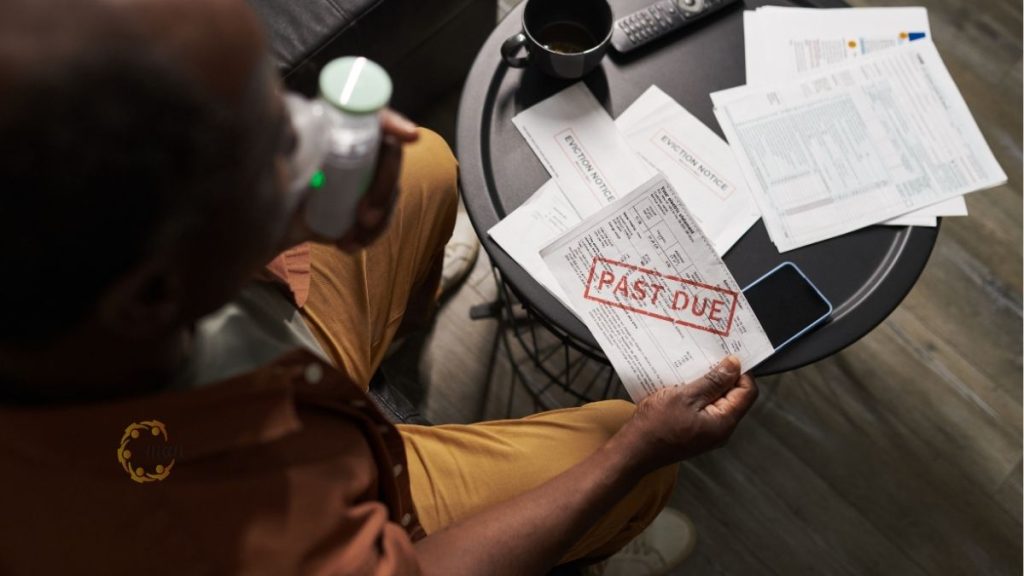
Penalties for invoice issuance violations are a crucial aspect that all businesses, household businesses, and accountants must understand, especially in the context of stricter electronic invoice management starting in 2026. Even a minor error regarding the invoice date, buyer information, tax rate, or delayed notification of errors can result in penalties ranging from several million to tens of millions of VND.
According to Decree 125/2020/ND-CP, amended and supplemented by Decree 102/2021/ND-CP and updated by Decree 70/2024/ND-CP, tax authorities apply penalties based on the nature, consequences, and extent of impact of the violation.
Legal basis for penalties for invoice issuance violations.
Violations related to invoices are currently regulated primarily by:
- Decree 125/2020/ND-CP Regarding administrative penalties for violations in the field of taxation and invoices.
- Decree 102/2021/ND-CP Amend and supplement certain provisions of Decree 125.
- Decree 70/2024/ND-CP Instructions for managing electronic invoices.
- Circular 78/2021/TT-BTC Instructions for handling errors in electronic invoices.
The regulations apply to organizations, businesses, household businesses, and individuals who commit violations during the creation, issuance, use, or storage of invoices.
An important principle to note is that tax authorities may prioritize issuing warnings rather than fines if it is a first-time violation, there are mitigating circumstances, or the business proactively rectifies the issue before an inspection.
Summary table of penalties for invoice issuance violations
To help businesses easily visualize the level of risk and quickly compare it with real-world situations, below is a summary table of penalties for invoice issuance violations in 2026. The table is organized by each violation, the lowest penalty, the maximum penalty, and the basis for application according to current tax and invoice laws.
| Violation | Applicable penalty amount | Note |
| Invoices issued at the wrong time. | A warning can result in a fine of up to 8,000,000 VND. | It depends on whether or not it delays tax obligations. |
| Incorrect information entered, missing required details. | 4,000,000 – 8,000,000 VND | This is in accordance with Article 24 of Decree 125. |
| Incorrect application of VAT rate. | 4,000,000 – 8,000,000 VND | Tax arrears may be incurred. |
| Late submission of form 04/SS-HĐĐT | A warning can result in a fine of up to 15,000,000 VND. | Calculated based on the number of days of late submission. |
| Using illegal invoices | 20,000,000 – 50,000,000 VND | They may face criminal charges. |
Note: The above fine applies to organizations. If an individual violates the regulations, the penalty will be the same as the penalty for organizations, as stipulated in Clause 4, Article 7 of Decree 125/2020/ND-CP.
Penalties for issuing invoices at the wrong time.
Issuing invoices at the wrong time is the most common error when businesses sell goods or provide services. The time of invoice issuance must correspond to the time of transfer of ownership of goods or completion of services.
Cases where only a warning is given
A business may only receive a warning if:
- The invoice was issued at the wrong time, but this did not delay the filing and payment of taxes.
- Errors can arise from technical malfunctions or first-time violations.
- The unit proactively provided an explanation and there were mitigating circumstances.
For example: Goods were delivered on March 5, 2026, but the business issued the invoice on March 6 and still declared it correctly, without incurring any tax shortfall. This case is usually considered a warning.
Fines for issuing invoices at the wrong time.
The penalties for issuing invoices at the wrong time are as follows:
- A fine of 3,000,000 to 5,000,000 VND will be imposed if the invoice is issued later or earlier than stipulated, but this does not affect tax obligations.
- The fine ranges from 4,000,000 to 8,000,000 VND if issuing invoices at the wrong time results in delayed tax payments, delayed tax declarations, or repeated offenses.
Businesses need to pay special attention to the following cases:
- Invoices will be issued several days after delivery.
- Issue invoices before the transaction actually occurs.
- Splitting transactions into smaller amounts and issuing multiple invoices is a way to delay revenue collection.
Penalties for issuing invoices with incorrect or incomplete information.

Electronic invoices must contain all the required information. If essential information is missing or incorrect, businesses may be fined from 4,000,000 to 8,000,000 VND. The following mandatory information must not be incorrect:
Identification information group
- Name of the business or individual purchasing the goods.
- Address.
- Tax identification numbers of the seller and the buyer.
If the tax identification number or business name does not match the business registration data, the tax authorities may determine the invoice to be invalid.
Transaction information group
- Name of goods or services.
- Unit of measurement.
- Quantity.
- Unit price.
- Total amount.
Omitting product names, recording incorrect quantities, or misrepresenting transaction values can all lead to penalties for invoicing violations.
Electronic authentication information group
- The seller's digital signature.
- Time of invoice signing.
- Tax authority code for invoices with codes.
If an invoice has not been digitally signed, or is signed after it has been sent to the buyer, the invoice may be considered invalid.
Penalties for issuing invoices with incorrect value-added tax rates.
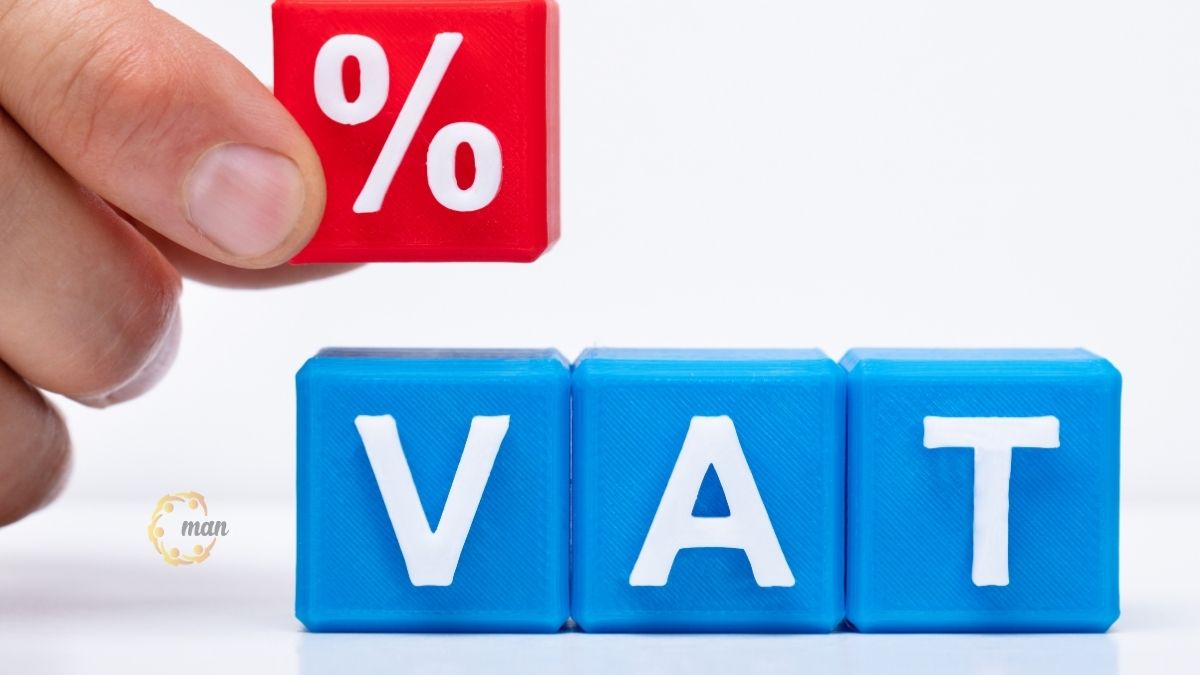
Incorrect tax rates are a common risk during the period when many product groups had their VAT rates reduced from 10% to 8%. Simply applying the wrong tax rate can force businesses to adjust invoices while also risking retroactive tax collection and penalties.
Common cases include:
- Instead of using 8%, 10% was output.
- Goods that are not eligible for tax reduction are still labeled 8%.
- Incorrectly recorded tax rate 0%, 5%, or not subject to tax.
The penalty for this violation usually ranges from 4,000,000 to 8,000,000 VND. In addition, if it results in a shortfall in tax payments, the business will also have to:
- Pay the remaining tax amount.
- A late payment penalty of 0.03%/day will be applied to the amount of tax overdue.
- An additional penalty of 20% may be imposed on the underdeclared tax amount.
Ways to mitigate the severity of the penalty.
As soon as an incorrect tax rate is discovered, businesses should:
- Issue adjustment invoices or replacement invoices in accordance with regulations.
- Submit form 04/SS-HĐĐT to the tax authority.
- File supplementary tax returns and pay the full amount of outstanding taxes before the tax authorities announce a tax audit decision.
In many cases, if businesses detect and rectify the issue early, the tax authorities may not apply or may significantly reduce the penalty for invoice issuance violations.
Penalties for late submission of error notification form 04/SS-HĐĐT
Form 04/SS-HĐĐT is a mandatory form when businesses discover errors in electronic invoices already submitted to the tax authorities. Late submission of this notification is also subject to penalties.
| Late submission period | Penalty level |
| Delayed by 1 to 10 days | A warning will be issued if there are mitigating circumstances. |
| Delayed by 11 to 20 days | 2,000,000 – 5,000,000 VND |
| Delayed by 21 to 30 days | 4,000,000 – 8,000,000 VND |
| Over 31 days or no submission | 5,000,000 – 15,000,000 VND |
Note: Businesses should not wait until the tax authorities send a notice requesting adjustments before making them, because the later the error is discovered, the higher the penalty.
Penalties for issuing illegal invoices.
These are the most serious offenses and may not be limited to administrative penalties. Administrative fines range from 20,000,000 to 50,000,000 VND for the following offenses:
- Creating fictitious invoices when there are no actual purchase or sale transactions.
- Buying and selling invoices to legitimize expenses.
- Using invoices from businesses that have ceased operations, abandoned their business address, or had their tax identification number blocked.
- Continuing to use invoices that have expired or have been declared invalid by the tax authorities.
If the act results in significant loss of state budget funds or shows signs of tax evasion, the offender may be prosecuted under Article 200 of the Penal Code for the crime of tax evasion.
Are businesses exempt from penalties?
In some cases, businesses may be exempt from or have reduced penalties for invoicing violations if they meet the following conditions:
- Detect errors yourself before the tax authorities conduct an audit.
- Proactively issue adjustment or replacement invoices.
- File supplementary tax returns and pay all taxes and late payment penalties.
- There are mitigating circumstances such as first-time offense, objective fault, or technical malfunction.
This is a crucial point because many businesses have actually avoided high fines by addressing errors early on.
Steps to take when invoice violations are detected.
When an invoice error is discovered, businesses should immediately follow this procedure:
- Step 1 – Inspect and identify the incorrect invoice: Review all related invoices and accurately determine which category the error falls into: incorrect date, incorrect content, incorrect tax rate, or invalid invoice.
- Step 2 – Correcting the invoice: Prepare an adjustment invoice or replacement invoice, send Form 04/SS-HĐĐT and notify the customer, and keep complete explanatory records.
- Step 3 – Filing and Paying Additional Taxes: If a tax liability arises, the outstanding amount and late payment penalties must be paid immediately. Proactively addressing the issue not only reduces penalties but also maintains a good tax compliance record for the business.
For businesses that do not have an in-house accounting department or are having difficulty reviewing invoices, filing declarations, and handling errors, hire an accountant This will significantly reduce the risk of being penalized for invoicing violations. Or consider this option. full accounting service It is also a suitable solution for businesses to control documents, invoices, and tax obligations right from the start.
Conclude
Penalties for invoice violations are being applied more strictly, especially for electronic invoices and actions affecting tax obligations. Businesses should not wait until tax authorities conduct an inspection to take action, but should establish invoice control procedures from the outset, regularly review data, and correct errors promptly.
Understanding regulations correctly, knowing each penalty level, and proactively addressing issues early will help businesses minimize risks, avoid financial losses, and protect their reputation.
For any questions regarding electronic invoices or troubleshooting solutions, please contact us. contact MAN – Master Accountant Network via:
Contact information MAN – Master Accountant Network
- Address: No. 19A, Street 43, Tan Thuan Ward, Ho Chi Minh City
- Mobile/Zalo: 0903 963 163 – 0903 428 622
- Email: man@man.net.vn
Content production by: Mr. Le Hoang Tuyen – Founder & CEO MAN – Master Accountant Network, Vietnamese CPA Auditor with over 30 years of experience in Accounting, Auditing and Financial Consulting.






