Handling incorrectly issued electronic invoices is a problem that almost every accountant in Vietnam has faced at least once during a fiscal year. According to statistics from years of tax consulting activities, errors in electronic invoices are among the most common mistakes that tax authorities point out, ranging from incorrect tax identification numbers and product names to incorrect value-added tax amounts. From July 1st, 2026, Tax Administration Law 2025 It officially came into effect and brought about a significant change in the authority to issue regulations in this field.
Previously, the handling of erroneous electronic invoices was regulated by decrees issued by the Government, specifically: Decree 123/2020/ND-CP and Decree 70/2025/ND-CPHowever, according to Clause 7, Article 26 of the 2025 Tax Administration Law, this authority will be transferred to the Minister of Finance. This is not just a formal change in the issuing authority, but also directly affects which documents businesses need to monitor to apply correctly during the transition period.
Summary of key points regarding the handling of incorrectly issued electronic invoices.
Handling erroneous electronic invoices is the process of adjusting, replacing, or canceling issued electronic invoices that contain inaccurate information, in order to ensure the legality of accounting documents and tax obligations. This process applies to all organizations, business households, and individual businesses that use electronic invoices when selling goods or providing services. Businesses need to address errors immediately upon discovery, without waiting until the tax declaration period. From July 1, 2026, the main basis for application will be the guiding circulars of the Ministry of Finance instead of the Government decree as before. Incorrect handling can lead to the invoice being considered invalid, directly affecting deductible expenses and input value-added tax.
Handling incorrectly issued electronic invoices in accordance with legal regulations.
According to Article 26 of the 2025 Tax Administration Law, an electronic invoice is an invoice in electronic data format created by organizations, business households, and individual businesses to record information on the sale of goods and provision of services in accordance with tax and accounting laws. When this invoice contains information that does not reflect the actual transaction, for example, incorrect unit price, incorrect tax rate, or incorrect buyer information, the business is required to take one of the following measures: issue an adjusted invoice, issue a replacement invoice, or cancel the invoice, depending on the nature and time the error is discovered.
The concept of handling erroneous electronic invoices is not simply about correcting textual errors. It's a legally binding process with specific notification deadlines, applicable forms, and associated tax obligations. From the perspective of MAN – Master Accountant Network, many businesses confuse correcting invoice content on their internal accounting software with properly processing electronic invoices according to regulations, leading to the risk of tax arrears during final settlement.
Why are regulations on processing electronic invoices important for businesses?
Electronic invoices are the legal basis for determining revenue, deductible expenses, and the amount of value-added tax (VAT) that can be deducted. An erroneous invoice that is not processed correctly can cause the entire related transaction to be disqualified by the tax authorities as a deductible expense when settling corporate income tax.
In years of auditing experience, experts at MAN, with 30 years of expertise, have noted that the majority of tax arrears arising from invoices do not stem from fraudulent activity, but from incorrect handling of errors, for example, issuing a replacement invoice when an adjustment invoice should have been issued. The difference between these two forms may seem small, but it determines the validity of the document in the eyes of the tax authorities.
Furthermore, understanding the new regulations helps businesses be more proactive in managing tax risks in Vietnam, especially since the electronic invoicing system connects directly with the tax authorities in real time, allowing errors to be detected almost immediately.
Which entities are subject to the regulations for handling incorrectly issued electronic invoices?
According to Article 26 of the 2025 Tax Administration Law, the subjects to which it applies include:
- Organizations and businesses selling goods or providing services use electronic invoices with or without tax authority codes.
- Household businesses and individual business owners are required to use electronic invoices, effective from January 1, 2026, according to Clause 2, Article 52 of the 2025 Tax Administration Law.
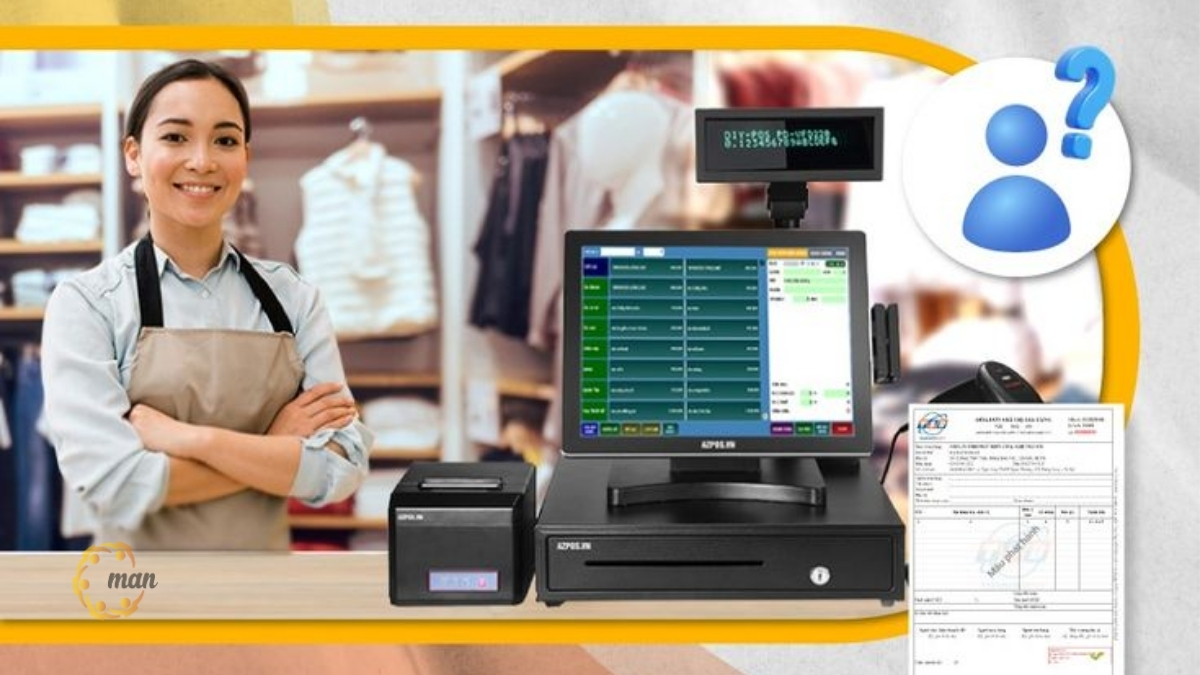
- Organizations using electronic invoices generated from cash registers that have a data connection to the tax authorities.
Points to note: The implementation timelines are inconsistent across different groups. While the general regulations on electronic invoices for businesses are linked to the full effect of the 2025 Tax Administration Law from July 1, 2026, the section concerning household businesses and individual business owners has been applied six months earlier, from January 1, 2026. Businesses that transact with household businesses should pay particular attention to this timeline when comparing input invoices.
Learn more: New accounting policies will be updated effective July 1, 2026.
Key dates to remember
To avoid misapplying regulations during the transition period between the old regulations and the 2025 Tax Administration Law, businesses need to be aware of the following effective dates.
| Timeline | Content | Legal basis |
| 01/01/2026 | Electronic invoices apply to household businesses and individual business owners. | Clause 2, Article 52 of the 2025 Law on Tax Administration. |
| 01/7/2026 | With the full implementation of the 2025 Tax Administration Law, the Ministry of Finance will take over the authority to regulate the handling of issued electronic invoices. | Clause 7 of Article 26, Clause 1 of Article 52 of the 2025 Law on Tax Administration. |
| 01/7/2026 | The Law on Tax Administration No. 38/2019/QH14 (amended by Law No. 56/2024/QH15) has largely ceased to be in effect. | Clause 3, Article 52 of the 2025 Law on Tax Administration. |
| Before July 1, 2026 | Applying Decree 123/2020/ND-CP and Decree 70/2025/ND-CP. | Current regulations |
The table above shows that the transition period between the two legal frameworks does not occur simultaneously for all content, requiring the accounting department to closely monitor the upcoming implementation guidelines from the Ministry of Finance.
Compilation of legal documents related to handling incorrectly issued electronic invoices.

Below are the original documents that businesses need to refer to when processing incorrectly issued electronic invoices:
| Document | Content of regulations |
| Article 26 of the 2025 Law on Tax Administration | Clause 6 states that the Government shall regulate the types of electronic invoices, the users, the content, and the timing of their creation. Clause 7 stipulates that the Minister of Finance shall regulate the registration for use, format, authorization for creation, and especially the handling of created electronic invoices. |
| Article 52 of the 2025 Law on Tax Administration | The implementing provisions stipulate that the law takes effect from July 1, 2026, except for Article 13 and the use of electronic invoices by household businesses and individual businesses in Article 26, which take effect from January 1, 2026. Law No. 38/2019/QH14 on Tax Administration (amended by Law No. 56/2024/QH15) ceases to be effective from the date the 2025 Law on Tax Administration comes into effect, except for some transitional provisions. |
| Decree 123/2020/ND-CP, amended and supplemented by Decree 70/2025/ND-CP | Based on the detailed regulations on the format of electronic invoices (Article 12) and the replacement and adjustment of electronic invoices (Article 19), including the handling of invoices when goods or services are returned. |
Businesses should note that after July 1, 2026, specific guidelines will be issued regarding the handling of erroneous electronic invoices. While awaiting the official issuance of the new circular, businesses should continue to adhere to current processing principles to avoid disruption.
Regulations for handling incorrectly issued electronic invoices are detailed on a case-by-case basis.

Based on the principles in Decree 123/2020/ND-CP, amended by Decree 70/2025/ND-CP, the handling of erroneous electronic invoices usually falls into one of the following situations.
- If an invoice contains errors but has not yet been sent to the buyer, the seller simply needs to cancel or make adjustments on the internal system before resending the correct invoice.
- If an invoice has already been sent to the buyer and assigned a tax authority code, but an error is discovered in the buyer's name or address, but the tax identification number and amount remain correct, the seller should notify the buyer and does not need to reissue the invoice.
- In cases of errors regarding the tax identification number, the amount recorded on the invoice, the tax rate, the tax amount, or if the goods listed on the invoice do not meet specifications or quality standards, the seller may choose to issue an adjusted invoice or a replacement invoice for the erroneous invoice.
Another specific situation is handling invoices when goods are returned. According to point c, clause 4, Article 19 of Decree 123/2020/ND-CP (amended by Decree 70/2025/ND-CP), when the buyer returns all or part of the goods, the general principle is that the seller issues an adjustment invoice, unless both parties agree for the buyer to issue an electronic invoice for the return of goods to the seller. Specifically for goods subject to registration of ownership or usage rights and already registered under the buyer's name, when returning the goods, the buyer, who is the recipient of the electronic invoice, must be the party issuing the return invoice to the seller.
A real-world case study on handling electronic invoices incorrectly and its consequences.
In the case of company X, a clothing manufacturer, during the process of issuing an invoice for a shipment worth 850 million VND, they mistakenly recorded the VAT rate as 8% instead of 10% as stipulated at the time. The invoice had already been assigned a tax code and sent to the customer before the internal accounting department discovered the error, resulting in a difference of approximately 17 million VND in VAT payable. The company's accounting department was then confused about whether to issue an adjustment invoice or a replacement invoice.
The business contacted MAN – Master Accountant Network for advice on how to handle the situation. After reviewing the contract, original invoices, and identifying the nature of the error, MAN's experts determined that this was a case requiring the creation of an adjusted invoice to increase the missing tax rate, not the cancellation or replacement of the entire invoice. MAN assisted the business in drafting an agreement with the client clearly stating the reason for the adjustment, and also reviewed all invoices issued during the same period to eliminate any similar errors that might still exist. Thanks to the correct and timely handling of the issue within the same VAT declaration period, the business avoided late payment penalties and interest that would have arisen if the error had been allowed to persist into the next period.
This is also why many businesses choose to partner with professional and experienced companies like MAN for regular reviews instead of only seeking support when problems arise.
Conclude
The transfer of regulatory authority from the Government to the Minister of Finance from July 1, 2026, under the 2025 Tax Administration Law, requires businesses to proactively update new guiding documents and review internal processes to avoid misapplication during the transition period between the two legal frameworks.
With over 30 years of practical experience in auditing, accounting, and taxation in Vietnam, MAN – Master Accountant Network accompanying businesses in the full accounting service, tax accounting services, accounting consulting servicesMAN helps businesses control tax risks right from the stage of creating and processing electronic invoices. The team of experts at MAN has a deep understanding of the realities of tax risk management in Vietnam and is ready to support businesses in building a rigorous electronic invoice control process that complies with both current regulations and upcoming changes from July 1, 2026.
Contact MAN – Master Accountant Network Contact us for free consultation and expert support!
Contact information MAN – Master Accountant Network
- Address: No. 19A, Street 43, Tan Thuan Ward, Ho Chi Minh City
- Mobile/Zalo: 0903 963 163 – 0903 428 622
- E-mail: man@man.net.vn
- Google Business Profile: View MAN – Master Accountant Network's Google Business Profile
- LinkedIn Founder: View expert Le Hoang Tuyen's LinkedIn profile.
Responsible for production and professional content review by: Mr. Le Hoang Tuyen – Founder & CEO of MAN – Master Accountant NetworkHe is a CPA Vietnam auditor with over 30 years of in-depth experience in accounting, auditing, taxation, and corporate legal consulting.
Frequently Asked Questions about Handling Incorrectly Issued Electronic Invoices
The Minister of Finance, according to Clause 7, Article 26 of the 2025 Tax Administration Law. The Government no longer directly regulates this matter.
No. Household businesses and individual business owners have been applying the regulations on electronic invoices since January 1, 2026.
An adjustment invoice is used when it is necessary to add or change part of the content while the original invoice is still valid. A replacement invoice is used when it is necessary to completely replace an original invoice that contains errors.
The general principle is that the seller issues an adjustment invoice, unless both parties agree that the buyer issues a return invoice. However, for assets whose ownership has been transferred to the buyer, the buyer must issue a return invoice.
Decree 123/2020/ND-CP and Decree 70/2025/ND-CP will remain in effect until new guidelines are issued by the Ministry of Finance in accordance with the 2025 Tax Administration Law. From July 1st, 2026, which agency will have the authority to regulate the handling of incorrectly issued electronic invoices?
Are sole proprietorships required to apply for electronic invoices from July 1, 2026?
When should an adjustment invoice be issued, and when should a replacement invoice be issued?
When goods are returned, who is responsible for issuing the adjustment invoice?
Which decree is currently the basis for handling erroneous electronic invoices before the Law on Tax Administration 2025 comes into effect?