
Regulations governing the leasing and use of public assets are crucial legal grounds when schools utilize facilities such as canteens, parking lots, or auxiliary services. However, many public institutions still struggle with preparing proposals, issuing electronic invoices, and determining tax obligations. This article will summarize the legal regulations, leasing conditions, invoice preparation methods, and applicable tax rates, helping accountants and school administrators comply with regulations and minimize audit risks.
The legal nature of a school leasing out its premises.
According to the Law on Management of Public Assets, which regulates the leasing and use of public assets, public service units (including schools) are entrusted with managing and using state assets to perform their functions and tasks. When a school engages in leasing premises, this is considered an activity of exploiting public assets for business and service purposes.
This implementation must not affect the teaching and learning functions, and must strictly comply with regulations on leasing and using public assets. This ensures that state assets are used efficiently, avoiding waste and budget losses.
Mandatory conditions as stipulated in regulations for leasing and using public assets.

For a school to legally lease space for its cafeteria or parking lot, it must meet the following two core conditions:
The plan for the use of public assets has been approved.
Schools are not allowed to make leasing decisions on their own. According to regulations on leasing and using public assets, the institution must prepare a "Plan for using public assets for business purposes, leasing, joint ventures, and partnerships." This plan must be approved in writing by the competent authority (such as the Department of Education, the Provincial/City People's Committee, or the relevant Ministry).
The proposal must clearly state:
- Area of space available for rent.
- Purpose of rental (canteen, office, parking lot, etc.).
- Rental period.
- Financial plan and projected revenue sources.
Methods for selecting tenants
To ensure transparency and accountability in the leasing and use of public assets, the selection of tenants is typically done through a public auction. If the lease value is less than the stipulated amount, the school may opt for a competitive bidding process or direct contracting, depending on the specific regulations of each locality at the time of 2026.
Does the school have to issue a VAT invoice when renting out premises?
This is a question many school accountants wonder about. Based on the latest updated guidelines on taxes and regulations for leasing and using public assets:
Issuing invoices is mandatory.
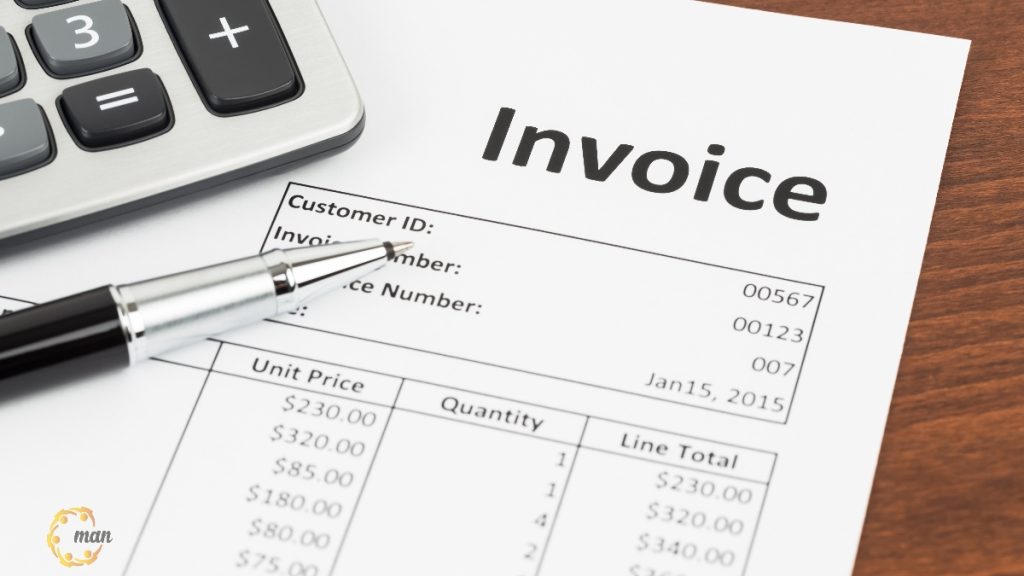
When schools receive rent from individuals or organizations operating canteens, this is considered service revenue. Therefore, schools are required to issue VAT invoices to the lessees. Failure to issue invoices or using internal receipts as a substitute is a violation of tax laws and public financial management regulations.
Type of invoice used
By 2026, all public service units will be required to use electronic invoices. Decree 123/2020/ND-CP and Circular 78/2021/TT-BTCDepending on the tax calculation method that the school registers with the tax authority, the type of invoice will be:
- VAT invoice: If the school calculates tax using the deduction method.
- Sales invoice: If the school calculates tax using the direct method based on revenue.
Invoice date
The time of invoicing for property rental services is the time of payment collection or the time of completion of the service period as agreed in the contract.
For example: If the contract stipulates payment every three months at the beginning of the term, the school must issue an invoice immediately upon receiving payment from the lessee.
VAT and Corporate Income Tax rates applicable for the year 2026

When properly implementing regulations on leasing and using public assets, schools need to correctly identify the types of taxes payable to avoid the risk of being subject to back taxes and penalties.
For the direct tax calculation method
Most schools currently apply a direct revenue-based method for business activities outside their main duties. This is in accordance with Circular 219/2013/TT-BTC (which remains largely in effect until 2026) and its supplementary documents:
- VAT: The percentage applied to revenue from property rental activities is typically 5%.
- Corporate Income Tax: For non-profit organizations that generate revenue from goods and services but cannot determine expenses, the corporate income tax rate on revenue from leasing premises is typically 51% (total tax liability is 101% of revenue).
For the deduction method
If the school is eligible and registers for the deduction method:
- VAT rate: Apply rate 10% (except for cases eligible for specific tax reduction policies of the Government)
- Corporate income tax: Calculated based on profit after deducting reasonable and legitimate expenses at the standard tax rate of 20%.
See more: Tax settlement services
Guidelines for accounting in accordance with regulations on leasing and using public assets.
Managing cash flow from public assets requires absolute accuracy in accounting:
- Revenue value: This is the total amount the lessee must pay, including any additional charges (if any) recorded in the contract.
- Related costs: Costs for repairs, maintenance of premises, and operational management expenses may be deducted from revenue before allocating funds, depending on the autonomy mechanism of each school.
- Fund allocation: Revenue after fulfilling tax obligations will be allocated to the fund for professional development, the reward and welfare fund, or used to provide additional income for teachers and staff according to the school's internal spending regulations.
Reference: Accounting services by industry
Common risks and errors
In reality, inspections and audits have shown that many units are still confused when implementing regulations on leasing and using public assets, leading to violations such as:
- "Illegal" leasing: Signing contracts before the project plan has been approved. This is a serious violation of state asset management regulations.
- Price discrepancies: Renting at a price lower than the market rate or the price specified in the project without justifiable reason, resulting in budget losses.
- Misuse of revenue: Money collected is not accounted for in the school's accounting system but is kept off the books or spent improperly.
- Invoice violations: Delaying the issuance of invoices or issuing invoices with amounts lower than the actual amount received in order to evade taxes.
Conclude
In summary, utilizing facilities such as canteens, parking lots, or service areas can generate significant revenue for schools. However, for this activity to be legal and sustainable, the institution must fully comply with regulations on leasing and using public assets, from the approval of proposals and transparent selection of tenants to the issuance of electronic invoices and fulfillment of tax obligations.
In the context of 2026, as tax and auditing authorities increasingly strengthen electronic data management, reviewing lease contracts, systematizing accounting records, and standardizing accounting processes are particularly necessary. If your organization is struggling to determine tax obligations, issue invoices, or account for revenue from public assets, please refer to the following resources. specialized tax accounting services We invite the accounting and tax experts from MAN – Master Accountant Network to partner with your school in ensuring compliance and optimizing revenue for the school.
Contact information MAN – Master Accountant Network
- Address: No. 19A, Street 43, Tan Thuan Ward, Ho Chi Minh City
- Mobile/Zalo: 0903 963 163 – 0903 428 622
- E-mail: man@man.net.vn
Content production by: Mr. Le Hoang Tuyen – Founder & CEO MAN – Master Accountant Network, Vietnamese CPA Auditor with over 30 years of experience in Accounting, Auditing and Financial Consulting.
Frequently Asked Questions about Regulations on Leasing and Using Public Assets
Yes. Regardless of who the lessee is, the school, as the entity leasing public property, must issue invoices to record revenue in accordance with regulations on leasing and using public property.
If the school collects electricity and water fees on behalf of the school and has matching input and output invoices, it can be accounted for as collecting and disbursing funds on behalf of the school. However, if the school collects a lump sum that includes electricity and water, this amount must be included in taxable revenue. If the school rents out space but the tenant is a small-scale individual business owner, are they required to issue invoices?
Are additional payments for electricity and water, made by the tenant, subject to tax?